
Overwhelmed by Holiday Food? A Registered Dietitian’s Advice for Kids with Sensory Processing Disorder
The holiday season brings so much excitement: beautiful lights, cherished traditions, and of course, plenty of food. But if your family includes a child with sensory processing needs, this time of year might feel more overwhelming than joyful. At Nutritious Thoughts, our team of registered dietitians in Raleigh, NC, meets many families who share the same concerns. They want the holidays to feel joyful and nourishing for everyone, but they also worry about how their child will cope at crowded gatherings or with unfamiliar foods. If you’re feeling anxious as invitations arrive, please know you are not alone. You’re doing your best to support your child, and it’s completely understandable to want them to feel comfortable and included. This can be especially challenging when routines are upended by the season’s festivities.
Understanding Sensory Processing Disorder and Food
Before we can offer gentle solutions often learned in nutritional counseling, it’s important to understand what might be happening beneath the surface for your child. Sensory Processing Disorder (SPD) goes far beyond what some might call “picky eating.” With SPD, the brain has difficulty interpreting and responding to sensory information. This can make mealtimes especially challenging and even distressing for some kids.
When you think about eating, you might picture taste first, but there’s so much more happening for your child. Eating is actually a whole-body sensory experience. Every meal brings together a mix of sights, smells, textures, sounds, and even the feeling of where food is in their mouth or hands.
Each of These Senses Plays a Big Role in How Comfortable or Overwhelmed Your Child May Feel Around Certain Foods.
- Visuals: The color and shape of the food.
- Smell: The aroma wafting from the plate (or the kitchen).
- Touch: The texture in the hands and the mouth-feel.
- Sound: The crunch or squish of chewing.
- Proprioception: The awareness of where the utensils and food are in relation to the mouth.
For kids with SPD, even something as simple as a casserole that looks “mushy” or the strong aroma of roasting turkey can quickly become overwhelming. It’s not about your child being difficult or refusing on purpose. Instead, their body is sending real messages of discomfort and distress. When a child’s senses are overloaded, their reaction is a way of protecting themselves, not a sign of misbehavior.
Understanding this difference can truly lighten your load as a parent. Instead of feeling frustrated and wondering, “Why won’t they just try a bite?”, you can begin to meet your child with gentle curiosity and empathy. You can try saying, “I notice this room feels loud, and the smells are strong,” or “No wonder this feels like too much right now.” Shifting from frustration to understanding helps you respond in a way that honors your child’s experience and supports their sense of safety.
Why Holidays Can Feel Like a Perfect Storm
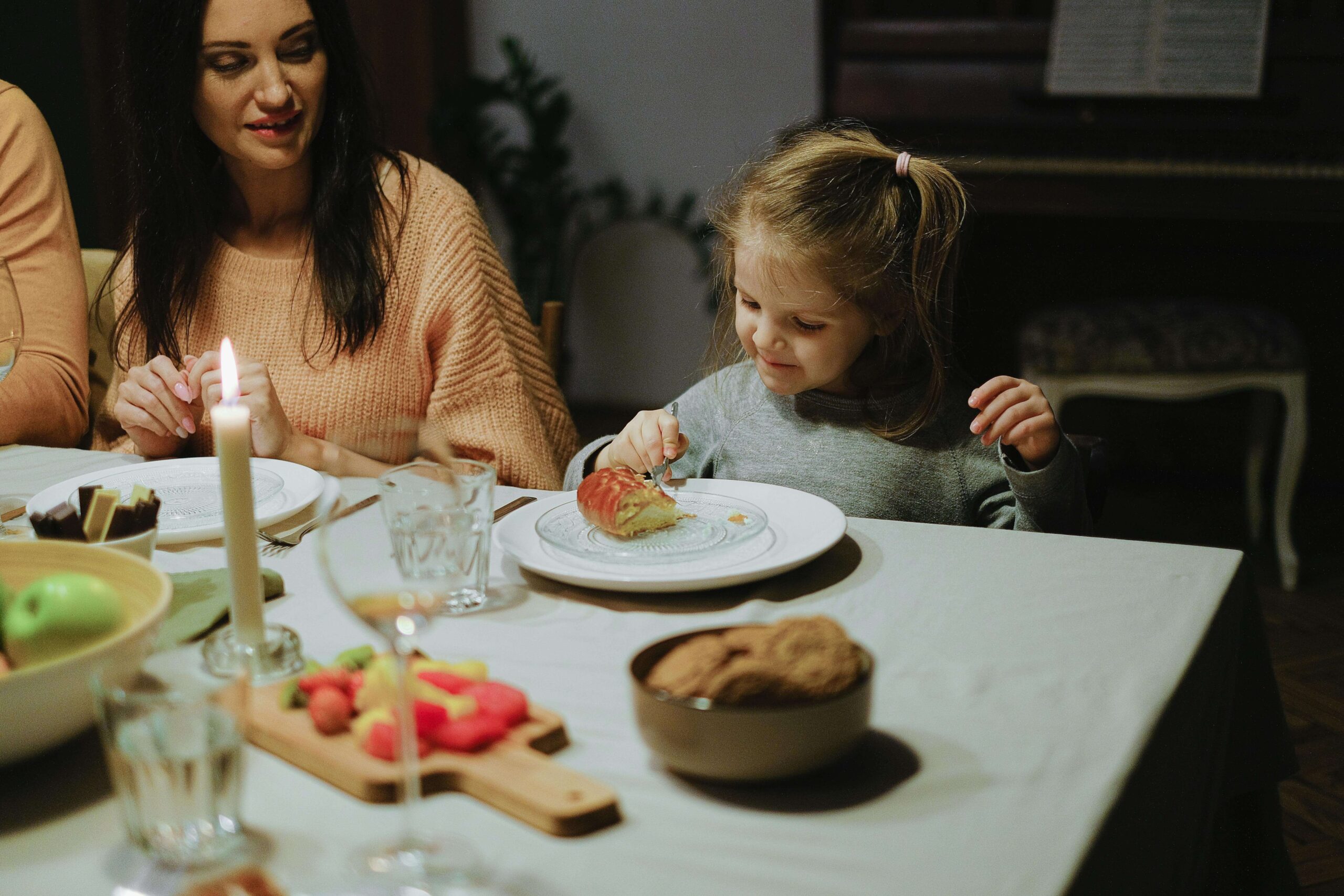 Holidays can heighten sensory experiences in ways that daily routines usually don’t. For many kids with sensory processing differences, routine offers a sense of safety and predictability. The holiday season, however, can quickly shift that secure feeling. Changes in schedule, new environments, and unfamiliar foods all stack up, making these gatherings feel overwhelming instead of joyful. If it seems like your child is having a harder time during the holidays, please know that it’s not a sign of failure. It’s a very real response to an environment filled with extra-sensory input.
Let’s take a moment to imagine what a typical holiday gathering might feel like for your child.
- Unfamiliar Foods: Dishes often look different than what is served at home. Even a familiar food like mashed potatoes might have lumps or “green things” (herbs) in it that your child isn’t used to.
- Sensory Overload: The house is louder with chatter and music. There are bright lights. Scents are stronger and more complex.
- Social Pressure: Relatives might comment on what is or isn’t on your child’s plate. “Just one bite for Grandma!” is a common phrase that, while well-intentioned, adds immense pressure.
All these changes swirling together can make meals feel downright stressful for your child. It’s completely normal if you notice them becoming dysregulated, shutting down, or even having meltdowns at the table. Please know that it’s okay to acknowledge how hard this is, and it’s also okay to let go of the idea of a “perfect” holiday meal. By meeting your child where they are, you are showing them acceptance and support, which is a gift far greater than any food on the table.
Practical Tips for Navigating Holiday Meals
You don’t have to simply “get through” the holidays. With a bit of thoughtful preparation and a gentle shift in mindset, you can navigate the holidays with more confidence. Your efforts can create a season that feels safer and more joyful for your whole family. Below, you’ll find some practical, compassionate strategies to help you support your child and yourself while navigating holiday meals together.
1. Pre-Game the Menu
It’s completely normal for both you and your child to feel anxious about what might be served at holiday meals. Uncertainty can make everything feel more overwhelming. To help ease this worry, have an open conversation with your child about what to expect. If you’ll be celebrating at someone else’s home, reach out to the host in advance and ask about the menu. Sit down with your child and look at photos of the dishes or talk through their textures, smells, and appearance. This can help make unfamiliar foods feel a little more approachable.
Perhaps the most reassuring step you can take in your holiday meal plan is to offer “safe food,” something your child reliably enjoys and feels at ease eating. If you’re unsure whether this food will be served, bring it along. This isn’t about catering to preferences; it’s about anchoring your child with a sense of comfort and stability in the midst of so many changes. Allowing your child to have something familiar on their plate helps them feel included at the table. It also supports their ability to participate in the celebration, free from the anxiety that comes with an empty plate or unfamiliar menu.
2. Create a Sensory-Friendly Environment
If the holiday noise and excitement feel too intense, it’s completely understandable that eating may become a real challenge. When your child’s nervous system is on high alert, it’s much harder for their body to feel relaxed enough to eat. It’s even more difficult for them to want to try something new. Helping your child find calm can make meals more comfortable, giving them the space they need to tune into their own hunger and curiosity. One gentle step at a time.
- Headphones: Noise-canceling headphones can be a lifesaver during dinner.
- Seating: Seat your child at the end of the table or near an exit so they don’t feel trapped.
- The Escape Hatch: Establish a quiet room or a signal your child can use if they need a break. Let them know it is perfectly fine to step away to regulate their body.
3. Serve Food “Family Style” with No Pressure
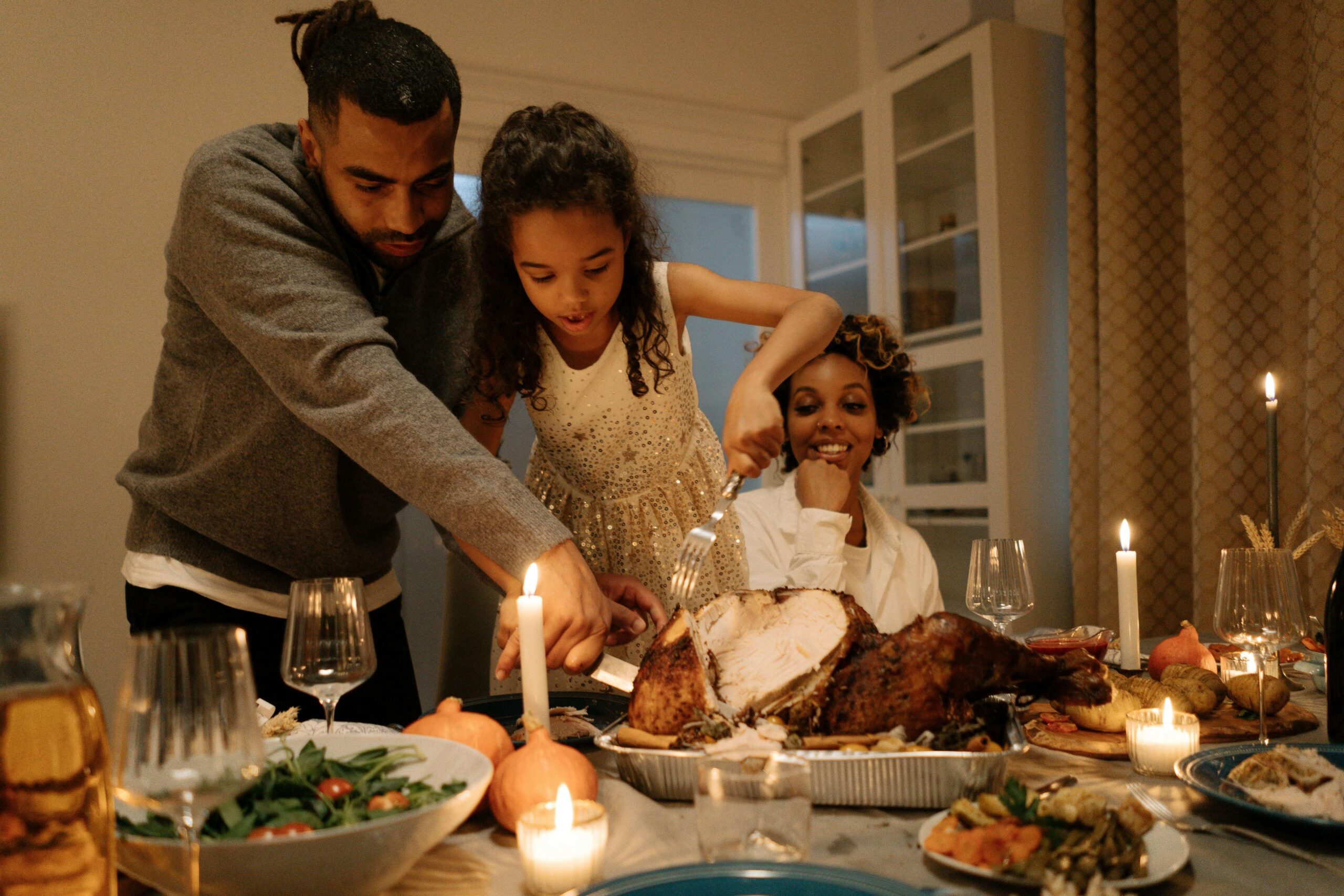 If you’re hosting, offering food family-style, serving dishes in bowls so everyone can help themselves, it gives your child the chance to choose what goes on their plate. This small act can help them feel more in control and respected at the table. By letting your child see, smell, and select their own food, you’re supporting their autonomy. This is an important step toward making the meal feel safe and inclusive by honoring their unique preferences.
One gentle approach is to practice the Division of Responsibility in feeding. As the caregiver, you provide the what, when, and where of meals, while your child decides whether to eat and how much. This partnership removes pressure and helps turn mealtimes into a more peaceful experience. If your child chooses only a roll and some fruit, that’s truly okay. Just one meal doesn’t define their nourishment or your success as a parent; it’s the comfort and trust you’re building together that matters most.
4. Managing Well-Meaning Relatives
This can be one of the most challenging parts of holiday gatherings for many parents. Well-meaning family members may not fully understand sensory needs. They might also hold onto old ideas about eating, such as the expectation to “clean your plate.” It’s normal to feel protective of your child in these situations. You’re not alone in navigating these moments, and it’s okay to set gentle boundaries that support your child’s comfort and well-being.
- Advocate Early: A quick text beforehand can help. “Hey, we are working on keeping mealtimes low-pressure for [Child’s Name]. Please don’t comment on what they are eating or urge them to try things. We just want to enjoy your company!”
- Redirect in the Moment: If a relative comments, step in gently. “We trust [Child’s Name] to listen to their tummy. So, Aunt Sarah, tell us about your trip!”
5. Focus on Connection, Not Food Consumption
Take a moment to consider what truly matters most to you about the holidays and the memories you hope your child will carry with them. Is it whether they tried every dish, or is it that they felt safe, loved, and welcomed just as they are? When you help your child feel secure and accepted, you create a holiday experience that nurtures connection and belonging. This is far more meaningful than a clean plate.
When you gently shift the focus away from what’s on your child’s plate, you help melt away much of the stress that can come with mealtimes. Sometimes, giving your child space and taking away pressure leads them to try something new all on their own. But if that doesn’t happen, that’s perfectly okay too. The real success is found in the moments of connection you share, and the sense of comfort and belonging you nurture together.
The Role of Nutrition Counseling in Raleigh, NC
There may be moments when, even with all your dedication and care, supporting your child at mealtimes feels especially overwhelming. Please know you don’t have to face these challenges alone. Reaching out for nutrition counseling in Raleigh, NC, can provide a supportive and understanding space to address your family’s unique concerns. You’ll work with someone who truly understands the connection between sensory needs, nutrition, and emotional well-being. Working with a professional, like a registered dietitian, isn’t about fixing or changing your child. Instead, it’s about discovering supportive strategies that honor who they are.
Together, you can explore gentle, realistic ways to create mealtimes that feel less stressful and more nourishing for your whole family. At Nutritious Thoughts, we follow a Health at Every Size (HAES®) approach. This means we celebrate body diversity and focus on health-promoting behaviors instead of weight. Above all, we trust your child’s natural ability to grow, and our role is to help you build a supportive environment where they can thrive, just as they are. A registered dietitian can walk alongside you on this journey, offering gentle, practical support tailored to your family’s unique needs. Together, you can:
- Identify specific sensory triggers and texture preferences.
- Develop “food chaining” strategies to gently expand variety over time.
- Ensure nutritional needs are met even with a limited diet.
- Work through parental guilt and anxiety around feeding.
Encouraging a Positive Relationship with Food
Our long-term hope for our kids extends far beyond getting them to eat more vegetables. It’s about helping them build a peaceful and trusting relationship with both food and their bodies. When you honor your child’s sensory boundaries during the holidays, you’re offering them the powerful message that their feelings and limits are respected. This gentle guidance teaches your child body autonomy.
It reassures them that it’s okay to say “no” and that their inner signals are valid and worth listening to. By honoring your child’s boundaries, you’re nurturing their self-confidence and sense of safety. When a child feels secure and understood, they’re more likely to approach new foods and experiences at their own pace. They learn to trust themselves and to trust you to support them every step of the way.
Moving Forward with Compassion
As the holiday season approaches, take a moment to pause and breathe; you and your child are both doing your very best. Try to let go of the pressure for anyone (your child or yourself) to eat a certain way. Your child is navigating the world with their unique sensory strengths, and you are showing so much care by advocating for their comfort and belonging. Remember, your patience and understanding are making a lasting difference. Your support is an incredible gift, not just during the holidays but every single day.
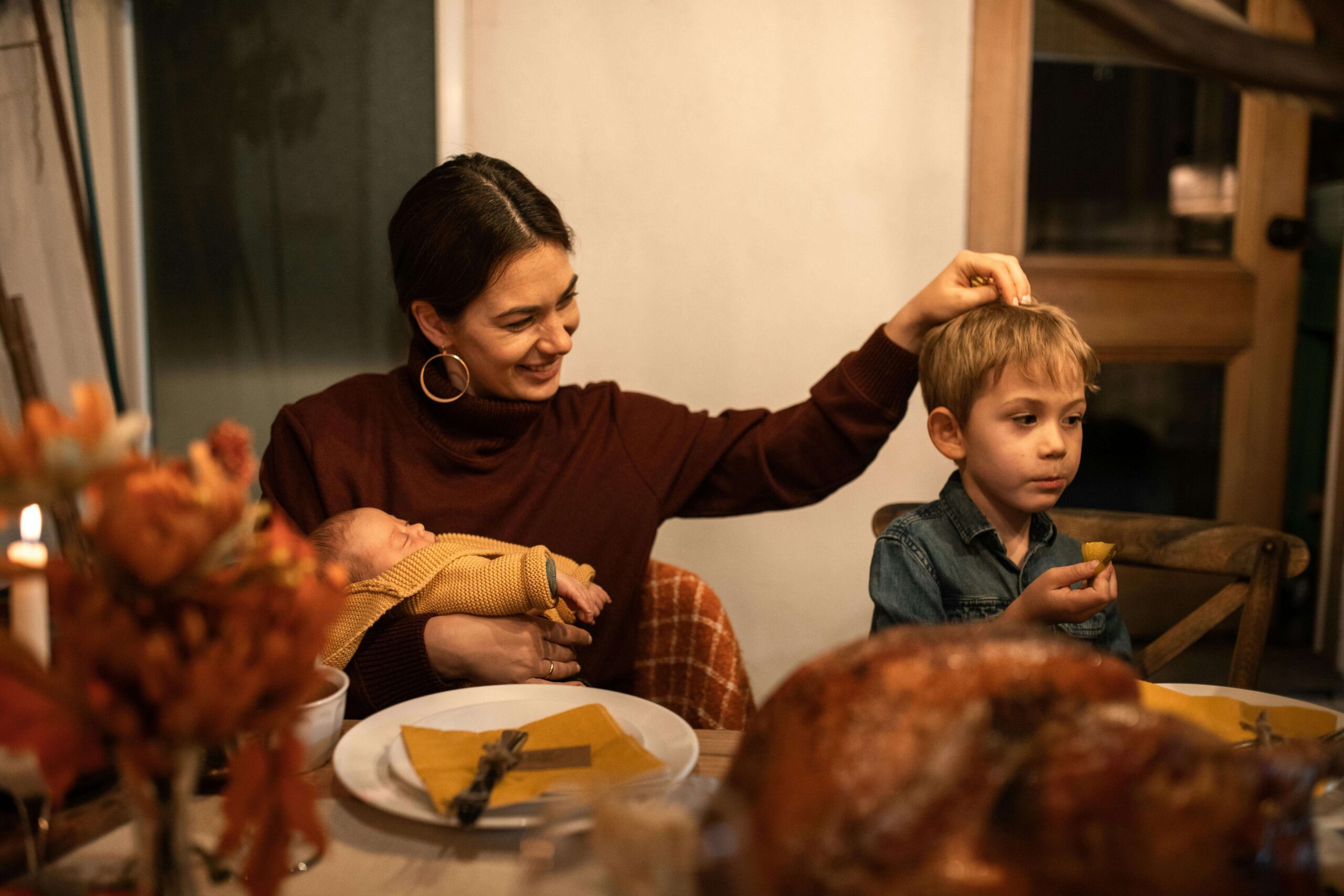 Try to center your holiday celebrations on the laughter, the games, the twinkling lights, and the warmth you share. Let the food become just one small part of that joyful experience. If your child feels happiest eating only their safe food at Thanksgiving, let them. When you see them relaxed and smiling, you’ve created a meal that truly nourishes them: one filled with comfort, safety, and love. That’s a holiday success worth celebrating.
If you ever feel like you need a little more support or reassurance, please know you’re not alone; help is here for you. Reaching out for nutrition counseling in Raleigh, NC, can offer you compassionate guidance, practical tools, and a listening ear as you navigate mealtimes and holiday gatherings with your child. You deserve to feel confident and cared for throughout the season, just as much as your child deserves to feel safe and supported at the table.
Overwhelmed by Holiday Food? A Registered Dietitian in Raleigh, NC, Is Here to Help
If holiday meals have become a source of worry instead of celebration for your family, you don’t have to face those challenges alone. At Nutritious Thoughts, we understand how isolating it can feel when your child’s sensory needs don’t fit traditional expectations at the table. Our team of registered dietitians is dedicated to making sure you feel seen, heard, and understood. We equip you with practical strategies that truly honor your child’s comfort and confidence, especially when routines are disrupted or pressure is high.
Let’s make the holidays gentler and more joyful for everyone at your table, one intentional step at a time.
We offer personalized nutritional counseling in Raleigh, NC, designed to empower you with gentle, evidence-based strategies and a deeper understanding of your child’s needs. Our approach is rooted in compassion, respect, and a commitment to helping you move beyond the overwhelm to find lasting, positive change. We have in-person offices in Raleigh, Hendersonville, and Asheville. Virtual sessions are also available across North Carolina to provide the consistent, empathetic support you deserve. Let us help you navigate the holidays with more confidence and joy, creating a path forward that feels aligned with your family.
- Contact us at (828) 333-0096 or email info@nutritious-thoughts.com
- Share your journey with us.
- Choosing to care for your family with kindness and understanding is a meaningful step, and we’re here to support you.
Expanded Counseling Services at Nutritious Thoughts in North Carolina
At Nutritious Thoughts, we recognize that supporting a child with sensory processing differences is a journey that extends beyond the individual. True, meaningful progress happens when families and communities feel connected and understood. That’s why our services extend beyond traditional one-on-one sessions to meet you where you are—whether that’s at home, in your child’s school, or within your local support network.
Through our Tailored Nutrition Programs, we partner with local organizations, schools, and community centers to offer group workshops, educational presentations, and supportive group sessions. These programs are all thoughtfully designed to empower parents and caregivers navigating the complexities of feeding challenges, including those related to sensory needs.
Each program is carefully crafted to address the unique needs of the group, blending practical, gentle strategies with compassionate guidance. Our goal is to help you build a more trusting and positive feeding environment for your family. Whether delivered in-person or virtually, our offerings are rooted in spreading understanding and empowering change that brings peace to your dinner table and beyond.
Curious about how our programs can support you, your community, or the families you care about? Reach out to learn more about our services, pricing, and the first step toward lasting, compassionate change.